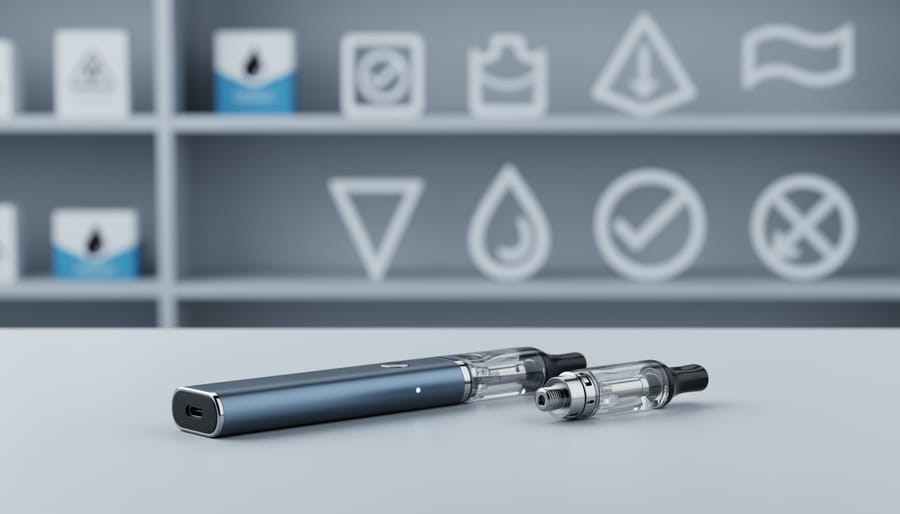
Vape Products Approved by FDA: What You Need to Know Before You Buy
As of 2026, the FDA has authorized specific tobacco-flavored vape products through its Premarket Tobacco Product Application (PMTA) process, but the list remains surprisingly short. Most vape products currently on shelves have not received FDA authorization, which means they’re either operating under enforcement discretion or being sold illegally. Understanding which products have cleared this regulatory hurdle can help you make safer, more informed choices while supporting companies committed to compliance and consumer safety.
The confusion around FDA-approved vape products stems from how the authorization process works. The FDA doesn’t “approve” vapes the way it approves medications. Instead, it grants marketing authorization to specific products that demonstrate they’re less harmful than cigarettes and provide a benefit to adult smokers trying to quit. This distinction matters because it affects what you’ll find in stores and online.
Many people searching for FDA-authorized products are trying to balance their desire to move away from traditional cigarettes with concerns about product safety and legitimacy. That’s completely understandable. The good news is that identifying authorized products has become easier, and knowing what to look for protects you from both legal risks and potentially harmful counterfeit devices.
This guide walks you through everything you need to know: what FDA authorization actually means, which product categories have received it, how to verify a product’s status before buying, and common mistakes that could lead you to unauthorized or fake items. You’ll come away with practical tools to shop confidently and support your health goals.
Understanding FDA Approval for Vape Products
What FDA Authorization Really Means
FDA authorization doesn’t mean a vape product is perfectly safe or recommended by the government. It means the manufacturer submitted detailed evidence showing the product meets appropriate public health standards, and the FDA determined that allowing it on the market is better for overall public health than banning it. This FDA marketing authorization process evaluates factors like product design, ingredients, manufacturing quality controls, and whether the product helps adult smokers switch away from cigarettes without increasing youth appeal.
When you buy an authorized product, you’re getting something manufactured under stricter oversight. Companies must maintain consistent quality, use ingredients they disclosed to the FDA, and follow specific labeling requirements. This doesn’t eliminate all risks associated with vaping, but it does mean the product underwent scrutiny that unauthorized items haven’t faced.
Think of authorization as meeting a baseline standard, not as a health endorsement. The FDA isn’t saying “this is good for you.” They’re saying “this product’s risk-benefit profile clears the bar for legal sale.” That distinction matters when you’re shopping and evaluating your options.
The Current Landscape in 2026
As of 2026, the FDA-authorized vape product market remains relatively limited compared to the thousands of products that flooded retail shelves before enforcement intensified. The vast majority of vape products currently sold in stores have not received FDA authorization, creating a challenging landscape for consumers who want to make compliant purchases.
The FDA has granted marketing orders primarily to closed-system tobacco-flavored products from a handful of major manufacturers. These authorized products typically include disposable devices and pod systems with tobacco or menthol flavoring. Open-system devices, customizable mods, and most flavored e-liquids have faced significant authorization hurdles, leaving a gap between what many experienced vapers prefer and what carries federal approval.
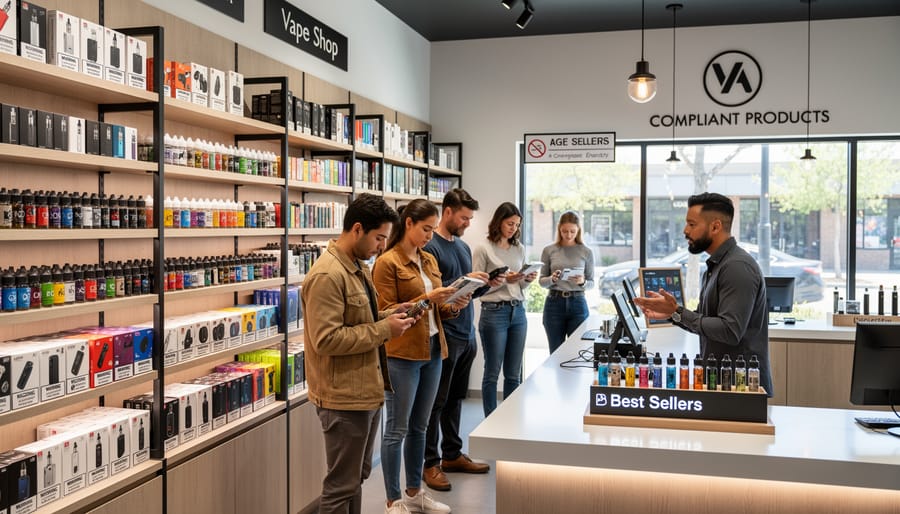
Finding authorized products requires active verification. Walk into most vape shops, and you’ll encounter a mix of authorized and unauthorized items, often without clear distinction on shelf displays. The FDA authorized products list remains your most reliable resource for confirming a product’s status before purchase, though the database can feel cumbersome to navigate.
This landscape puts responsibility squarely on your shoulders as a buyer. Retailers aren’t required to stock only authorized products, and enforcement varies by region. Understanding this reality helps set expectations: you can find authorized options, but it takes deliberate effort to identify and verify them among the broader selection most stores carry.
Types of FDA-Authorized Vape Products Compared
Closed vs. Open System Devices
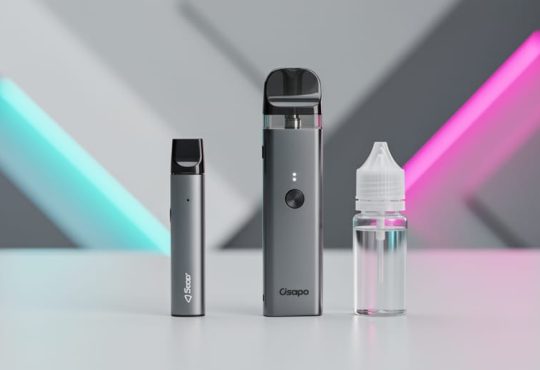
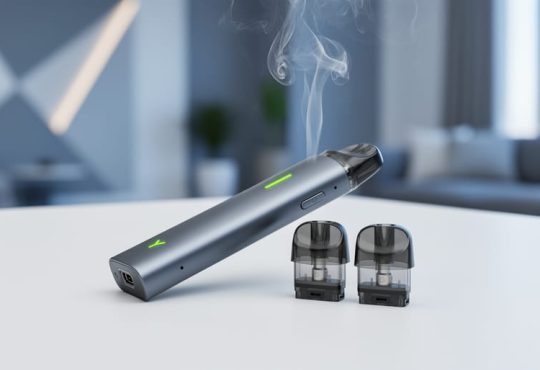
When considering FDA authorization status, the device system type matters significantly. Closed-system pod devices, which use pre-filled proprietary cartridges, have had more success obtaining FDA authorization than open-system products. This authorization trend stems from closed systems offering tighter manufacturing controls and more consistent nicotine delivery, which align with the FDA’s safety and public health standards.
For retail shoppers, closed-system devices from major manufacturers represent your best chance of finding authorized products. These devices restrict users to manufacturer-supplied pods, making it easier for companies to control quality and meet regulatory requirements. If you’re trying to choose the right pod system while prioritizing authorization status, closed systems should top your list.
Open-system devices, which allow users to fill their own e-liquid, face steeper authorization hurdles. The FDA views the customization options and variable liquid sources as harder to regulate for consistent safety. While some open-system products have applied for authorization, retail availability of authorized open devices remains limited. Most authorized options you’ll find in stores will be closed-system pod devices, particularly in tobacco and menthol flavors.
Flavor Restrictions and Availability
The FDA has taken a restrictive stance on flavored vape products, particularly those that might appeal to youth. Tobacco and menthol flavors stand the best chance of receiving authorization, while fruit, candy, and dessert flavors face significant regulatory hurdles. Most authorized products on the market feature tobacco-derived flavors or unflavored options.
This doesn’t mean flavored products have disappeared from retail shelves, far from it. However, finding flavored products with FDA authorization proves extremely difficult. The agency has prioritized enforcement against cartridge-based flavored products, though flavored disposables and open-system liquids remain widely available despite uncertain regulatory status.
If you’re looking for variety beyond tobacco flavors, you’ll need to balance your preferences against authorization status. Some manufacturers have responded by developing more sophisticated tobacco flavor profiles or by focusing on menthol variants. Be aware that purchasing non-authorized flavored products carries the risk that they haven’t undergone the same scrutiny as authorized alternatives, potentially affecting both quality consistency and long-term availability as enforcement continues.
Nicotine Strength Considerations
Nicotine strength plays a significant role in both FDA authorization decisions and your personal vaping experience. The FDA evaluates whether a product’s nicotine concentration appropriately serves adult smokers transitioning away from cigarettes while minimizing appeal to youth.
Most authorized products contain nicotine levels between 3% and 5% (30-50 mg/mL) for closed-system devices. These concentrations mirror the satisfaction cigarette smokers expect, which the FDA considers when assessing a product’s potential public health benefit. Higher nicotine strengths, common in some pod systems, face stricter scrutiny regarding youth appeal and addictiveness.
When choosing nicotine strength, match it to your current smoking habits. Heavy smokers (a pack or more daily) often benefit from 5% strength products, while light smokers find 3% sufficient. The FDA recognizes that appropriate nicotine delivery helps people quit combustible cigarettes successfully.
Starting too low may leave you unsatisfied and reaching for cigarettes again. Conversely, excessive nicotine can cause headaches or nausea. Authorized products typically offer clear nicotine labeling, making it easier to find your ideal strength and adjust over time as your needs change.
Key Factors When Buying FDA-Authorized Vape Products

How to Verify Authorization Status
The most reliable way to check if a vape product is FDA-authorized is through the FDA’s official website. Visit and navigate to the tobacco products section, where you’ll find a searchable database of authorized products. You’ll need the product’s exact name and manufacturer information, which should appear on the packaging.
When you search, look for a “Marketing Granted Order” or “PMTA authorization.” The FDA lists these with specific product details, including flavors and nicotine strengths. If the product doesn’t appear in the database, it hasn’t received authorization.
You can also ask retailers for proof of authorization. Legitimate shops should provide documentation or direct you to the FDA listing. Some manufacturers display authorization certificates in stores or on their websites, but always cross-reference with the FDA database yourself.
Don’t rely solely on product packaging claims. While authorized products must include specific FDA language, counterfeit products sometimes mimic this labeling. The official database is your definitive source. If you’re shopping online, reputable retailers often link directly to FDA authorization documentation on product pages.
Reading Product Labels and Packaging
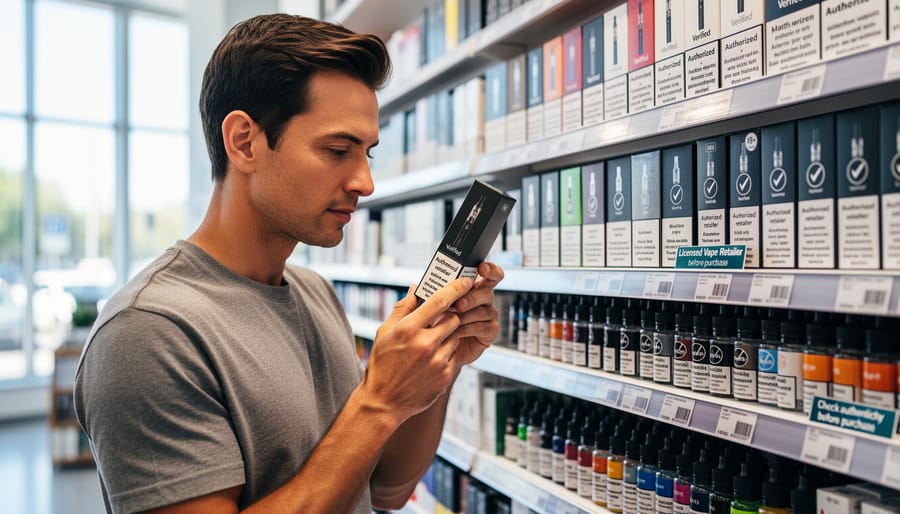
FDA-authorized vape products carry specific labeling requirements that distinguish them from unauthorized items. Look for a premarket tobacco authorization (PMTA) number or statement confirming FDA authorization directly on the packaging, this typically appears on the back or bottom panel. The manufacturer’s name, address, and contact information should be clearly printed, along with nicotine content expressed in milligrams per milliliter and total volume. Health warnings required by federal law must be prominent and legible, not hidden in small print.
When examining a pod vape system or any vape product, authorized packaging includes ingredient lists, manufacturing dates, and batch codes that enable traceability. Red flags signaling non-authorized products include missing health warnings, vague or incomplete manufacturer information, packaging that emphasizes flavors not permitted under current authorization guidelines, and claims like “FDA approved” (a term the agency doesn’t use for vape products). Misspellings, poor print quality, or packaging that looks hastily assembled often indicate counterfeit or unauthorized items. If critical information is absent or the product lacks verifiable tracking details, skip it regardless of price or retailer assurances.
Choosing Reputable Retailers
Start with retailers who display clear authorization information and maintain transparent compliance practices. Legitimate vape shops and online platforms typically post their business licenses, age verification policies, and compliance certifications prominently. Check if the retailer provides detailed product information, including manufacturer details and authorization status, rather than vague descriptions.
Look for established businesses with verifiable customer reviews and physical addresses. Reputable retailers train their staff on FDA regulations and can answer questions about product authorization. They refuse to sell to minors and use robust age verification systems online. Avoid sellers offering prices significantly below market average or those making health claims the FDA hasn’t approved.
Check whether the retailer removes unauthorized products when notified and updates their inventory regularly to reflect current FDA decisions.
Recommended Approach for Different User Needs
For Those Transitioning from Cigarettes
If you’re making the switch from cigarettes, prioritize closed-system pod devices with tobacco or menthol flavors, these products have the strongest track record for FDA authorization and deliver the familiar throat hit that helps with quitting traditional smoking. Look for devices with draw-activated firing (no buttons to press) and nicotine salt formulations in strengths between 20-50mg, which mimic cigarette nicotine delivery more effectively than standard e-liquids.
Start with starter kits that include the device and pre-filled pods, this eliminates learning curves around coils, tanks, or refilling. Major tobacco companies’ authorized products often work well here because they’re designed specifically for smokers, with straightforward packaging and minimal maintenance. The goal is removing barriers between you and a satisfying alternative, so choose simplicity over customization until you’ve successfully transitioned away from combustible cigarettes.
For Experienced Vapers
If you’ve been vaping for a while, you’ve likely developed specific preferences around device type, power output, and customization options. The challenge is that many advanced systems haven’t received FDA authorization yet, particularly open-system devices with adjustable settings.
Your best strategy is to identify which aspects of your current setup matter most. If flavor variety is your priority, look for authorized closed-system brands that offer tobacco and menthol options with quality e-liquid formulations. Some authorized pod systems now feature adjustable airflow and higher-capacity batteries that rival what you’re used to.
Check the FDA’s authorized products list regularly, as new devices do get added. In the meantime, consider keeping one authorized backup device that meets compliance requirements while the regulatory landscape evolves. This approach lets you maintain your preferences while staying informed about compliant options that could eventually match your expectations.
Budget Considerations
FDA-authorized products aren’t necessarily more expensive than unauthorized alternatives, but understanding the cost structure helps you make smart choices. Authorized closed-system devices typically range from $15 to $40 for starter kits, with replacement pods costing $12 to $20 for multi-packs. While this may seem higher than some unauthorized options, you’re paying for verified manufacturing standards and consistent quality control.
Consider long-term value rather than just upfront price. A reliable authorized device that lasts six months costs less per day than repeatedly replacing cheaper, non-compliant products that fail or leak. When comparing disposable vs normal authorized options, refillable systems usually offer better value for regular users despite higher initial investment.
Watch for sales at reputable retailers rather than chasing rock-bottom prices at questionable sources. Legitimate shops often discount authorized products during promotions, letting you save money without sacrificing compliance or safety.
Common Mistakes to Avoid When Shopping
The biggest pitfall? Assuming every vape product on store shelves is FDA-authorized. Many retailers carry a mix of authorized and unauthorized products, and the label “legal for sale” doesn’t mean the FDA has reviewed or authorized that specific item. You can easily end up with products that haven’t undergone proper evaluation if you skip verification steps.
Misleading marketing creates another trap. Some brands use phrases like “premium quality” or “lab-tested” to suggest regulatory approval when they have none. Others display vague compliance statements that sound official but don’t reference actual FDA authorization. Always look beyond marketing language to the specific authorization documentation that reputable sellers should provide.
Here are specific mistakes that put consumers at risk when shopping:
- Purchasing from retailers who can’t or won’t verify product authorization status
- Assuming any product legally available for purchase has FDA authorization
- Ignoring warning signs of counterfeit products like suspiciously low prices or packaging inconsistencies
- Failing to check batch codes and expiration dates against manufacturer databases
Storage conditions matter more than most buyers realize. Even authorized products lose quality when displayed in direct sunlight, exposed to extreme temperatures, or stored beyond their shelf life. A legitimate authorized product stored improperly becomes unreliable and potentially unsafe. Check expiration dates before purchase and avoid products that show signs of poor storage like discolored liquid or damaged packaging.
The rush to find cheap options leads shoppers to ignore verification entirely. Budget concerns are valid, but unauthorized products often cost less for a reason: they bypass regulatory scrutiny and quality controls. Taking ten minutes to verify authorization status protects your health investment. If you’re weighing different product types while shopping, understanding which fits your needs helps you focus verification efforts on products that match your actual requirements rather than impulse purchases.
Frequently Asked Questions
Can I still buy non-authorized products?
Yes, non-authorized products remain available in many retail settings, but enforcement actions against unauthorized products are increasing. Retailers and manufacturers face legal risks for selling these products, and availability may become more limited over time.
How do I know if my local shop sells authorized products?
Ask the retailer directly about their inventory’s authorization status and request documentation. Reputable shops typically display information about FDA-authorized products or can provide verification through product packaging and marketing orders.
Does FDA authorization mean a product is safe?
Authorization means the product met the FDA’s standard of being appropriate for the protection of public health, with manufacturing and quality controls in place. It doesn’t mean the product is risk-free, as all tobacco and nicotine products carry health risks.
What happens if I already own non-authorized products?
There’s no penalty for consumers who possess non-authorized products. However, you may want to transition to authorized options when replacement time comes, both for access to products that will remain available long-term and to support compliant manufacturers.
Beyond these basics, you might wonder about the timeline for switching to authorized products. There’s no rush or requirement to dispose of what you currently own. Many vapers continue using existing inventory while gradually exploring authorized alternatives that suit their preferences. Think of it as a transition period where you can experiment with authorized options without abandoning what works for you right now.
If your favorite product lacks authorization, you face a practical choice rather than an emergency. Some people find authorized alternatives that satisfy similar preferences, while others adjust to new flavor profiles or device types. The key is starting your search before your current product becomes unavailable, giving yourself time to test different authorized options without pressure. Many retailers offer sample programs or return policies that make this exploration easier.
When questions arise about specific products or authorization status, the FDA maintains public databases where you can search by product name or manufacturer. This resource helps you fact-check claims and verify information independently, rather than relying solely on retailer statements or product marketing.
Making informed choices about vape products isn’t just about following regulations, it’s about taking control of your health journey and supporting a community dedicated to harm reduction. When you prioritize FDA authorization status alongside your personal preferences and needs, you’re investing in products that meet established safety standards while respecting what works for your lifestyle.
The landscape of authorized vape products continues to evolve, and staying informed puts you in the best position to make decisions that align with both compliance and satisfaction. Remember that authorization status is one important factor, but it works hand-in-hand with choosing reputable retailers, understanding your own nicotine needs, and selecting products that genuinely support your goals, whether that’s transitioning away from cigarettes or maintaining a smoke-free life.
Every purchase you make sends a message to manufacturers and regulators about what matters to consumers who are serious about healthier alternatives. By demanding transparency, seeking out authorized options when possible, and sharing accurate information with fellow vapers, you contribute to a marketplace that values quality and safety. Your choices matter, not just for your own well-being but for strengthening the broader movement toward responsible vaping as a legitimate harm-reduction strategy.
Take the knowledge you’ve gained here and approach your next purchase with confidence, knowing you’re equipped to navigate the options thoughtfully and make decisions that serve you best.